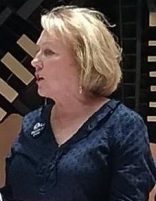
I am honored to have been asked to speak at the 2018 Charlotte Women's March on January 20 at First Ward Park at 11:30. The March begins at noon to Romare Bearden Park. I hope to see YOU there!
Remarchable Women, the anniversary of the Women’s March on Charlotte, kicks off with an amazing group of speakers in First Ward Park, Saturday morning, January 20th. This Speaker’s Forum, 10:00 to noon, represents Charlotte’s diversity and gives voice to our goal of equity and equality for all. Speakers will provide strategies for us to make a difference in our communities.
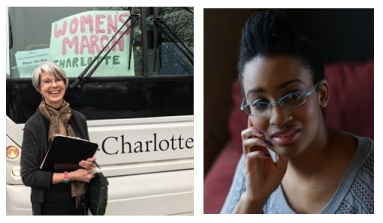
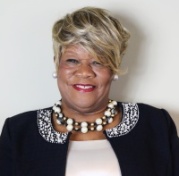
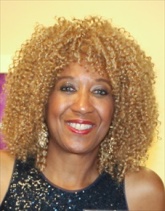
Vi Lyles, Julie Eiselt, LaWana MayfieldSpeakers will include Vi Lyles, Charlotte’s first female African American Mayor, City Council Rep and Mayor Pro Tem Julie Eiselt, and City Council Rep LaWana Mayfield, Charlotte’s first openly gay council member. Jan Anderson, President of Charlotte Women’s March, and Regina Stone-Grover, Community Activist and one of the coordinators of last year’s Women’s March on Charlotte, will introduce the speakers.
Additionally scheduled to speak:
Rev Amantha Barbee, Pastor, Statesville Ave Presbyterian Church and Chair, Charlotte Clergy Coalition for Justice
Join us Saturday, January 20 for Remarchable Women, on the Anniversary of the Women’s March.
For more information, sign up for email updates or click here for FAQs about the event.
Kintsugiis the Japanese art of
repairing broken pottery with lacquer mixed with powdered gold, silver, or
platinum. As a philosophy it treats breakage and repair as part of the history
of an object, rather than something to disguise. I remember my mother
constantly repairing things, not with gold or silver lacquer, but with needle
and thread. I had a rag doll named Suzy that I carried with me everywhere. I
can’t count how many times she gave Suzy a new face and a new bonnet and she
even gave her new legs using a pair of socks. I would never have thrown Suzy
away. It just made me love her more. I still have Suzy. I also recall grandma’s
repairs on my nephew’s Moo Cow and my son’s Cat in the Hat. At one point, Cat
in the Hat’s head almost came off but after grandma’s repairs, he was as good
as new. We still have Cat in the Hat who
resides in a place of honor in our home with a big smile on his face. Those repairs and scars have only endeared him to us.
I think this year has left a lot of us feeling
broken and discouraged. I cried on Election Night 2016 because I knew what the
future held. I have worked and marched and protested and done everything
humanly possible to stop the onslaught of attacks against our most vulnerable
citizens and against our environment. I marched in the Resistance March during the
Inauguration in DC and I marched the next day in the Women’s March in DC. I
have rejoiced at small glimmers of hope and sobbed at our loses. I tried, where
I could, to step in to help and support those vulnerable citizens who are
afraid and in need.
Now, a new year
begins. It is time for us to practice the art of Kintsugi and mend those broken
places and move into the new year renewed, repaired and with courage. It is not the time for us to whimper and
whine or roll over and play dead. It is not the time for defeat. It is not the
time to be silent. In 2018 we have the chance to
get our country back on track. We have a chance to send the clearest possible
message to Trump and his party that this country does not support his corrupt
and divisive politics. But the only way we can do this is if millions of us
come together. If there was ever a time
that called for all of us to pick ourselves up and keep going, that time is
now. So,
here’s to Kintsugi and Suzy and Moo Cow and Cat in the Hat! They have taught us
lessons about life that we all need to revisit.
Let’s welcome 2018 and get started on the hard work that lies ahead. And
as Cat in the Hat would say: “You’re off to great places. Today is your day.
Your mountain is waiting so get on your way!”
When I was about 7
years old, attending a small neighborhood school, I had a sincere fascination
with the custodian at our school who always sat in the boiler room shoveling
coal to keep the heat going. James was a handsome black man with the biggest
smile and whitest teeth I had ever seen.
He never came out of the boiler room during the school day. Students passed the boiler room every day
going to lunch. I would always smile at James and give him a shy wave and he
always gave me a smile and a wave in return. One day, as I was going to get
milk for our daily morning milk break, I decided I had enough of this shy wave
and smile and decided to go in and give him a big hug. However, as I entered
with arms open wide, he stopped me dead in my tracks with “Oh no! Don’t come in
here.” I did not understand why, but I
followed his instructions. We continued
to wave and smile at each other. Then one day, James was gone. Weeks went by and he was not there. I felt so sad. I finally asked my dad about
James and he reluctantly told me that James had been accused of stealing money
from the school office and was in jail. I immediately screamed out in tears
that he did not do it, that I knew he did not do it! My heart was broken. Now I knew where James lived in a little
shack in the middle of a cotton field with a big oak tree in the front. We passed that little house on the way into
town and I had seen children playing in the front of the house. As Christmas
approached, I asked my dad about those children and what might Santa bring them.
That was the moment that I realized that Christmas is for the rich. Now, we
were far from rich. My dad was minister on a “mill hill” and my mom sewed all
my clothes. We only got one or two cherished things for Christmas, but compared
to James we were blessed. I asked Dad if
we might help Santa. I went through my
toys and selected a few good ones to give away. I collected toys from neighborhood friends. I selected one of my dolls and got mamma to make doll clothes from
scarps of cloth. Mamma always made lots
of Christmas candy and cookies and this year we packed some into a nice tin and
daddy bought some food items from the grocery. On Christmas Eve morning, daddy
and I proceeded to drive to James house with Santa’s sack. When we arrived, the
little girl who was about my age, came out.
We told them that Santa had come early and had left some things at our house
by mistake. We gave them the toys and
food. Daddy visited a while, and I played with the little girl in the yard. I still
remember their dirt floors and little two room house. I remember the rusted tin
roof. But most of all I remember how happy we were playing together. I don’t know who was more delighted, me or
them! I don’t remember what I got for
Christmas that year, but I remember daddy and me going to James’ house to
deliver Santa’s presents. I remember what they got! It has stayed with me forever. I will never
forget that day. It was a life changing moment for me.
We are all
familiar with the story of the child born in a manger surrounded by farm
animals, but very seldom do we consider the conditions and realities of that
scene. We don’t like to think about the
poverty associated with the birth of baby Jesus, because Christmas is supposed
to be a time of abundance. We don’t like
to consider the violence of an empire characterized by Herod killing children,
because Christmas is a time of celebration. We overlook the historical poverty
and oppression surrounding the birth of the child because it is uncomfortable
and doesn’t fit in with what we have made Christmas to be. We ignore the
reality of a poor, immigrant family forced to make a dangerous trip and that
the child we celebrate chose to live a life of homelessness.
The Christmas story is a story that we can imagine in our
own time. There is still the reality of
poor immigrant families being forced to make dangerous journeys. This story is
played out among the Central American migrants homeless at our border towns. It
is played out with the Syrian refugees, cold and hungry in northern Greece. It is played out in our own towns, in an alleyway or on a street corner or a tent town deep in the woods. It is played out with a neighbor working two jobs and still can't pay the bills. However, the analogy is lost on our
politicians who keep assuring us that we should not worry about their fate but
focus on our own comfort and safety. This
is not the message of the Christmas story.
We keep hearing that there is a war on Christmas and that we
must put Christ back in Christmas. We attended a Christmas parade in a small
town this year where there were many churches with parade floats. But not a single church had the manger scene. Their floats only had crosses and one float had a
confederate flag on the front with Peace on Earth on the back. What irony! The
war on Christmas comes from some of the very people who yell about a war on
Christmas. Every year they are upset because they don’t like the cups at
Starbucks or someone saying “Happy Holidays!” I somehow don’t believe Jesus
would care about the Starbucks cups or how he was greeted. As the scripture
says “You strain a gnat but gulp down a camel.”
The war on Christmas comes from within a person’s heart and soul. If we really
want to celebrate the true meaning of Christmas, it means forsaking much of our
“celebration” and “abundance.” It means forsaking a warm home and elegant meals
and tangible gifts. It means abandoning the malls and extravagant spending. It
means giving up “over the top” office parties and high expectations for
Christmas Day. Instead, we must take a
trip to visit the homeless and feed and clothe them, work in the soup kitchens,
house a homeless youth or child, take care of the widow and her children, buy
groceries for the poor, help pay medical costs for the sick. We need to visit
those in prison and offer them hope and support. Instead of a huge tree ornately decorated
in our living rooms, give the tree and gifts to a family suffering from a job
loss. We need to stop telling our
children there’s a Santa Claus and involve them in helping us to be Santa Claus
for others. And above all, we need to fight for the rights of "the least of these" all year long! Then we will know the true
meaning of Christmas.
I never saw James again and the family eventually left that
little house and it stood empty. It is gone now, but I have thought about them often through the years, especially at
Christmas time. Every time we pass the field where that house stood, I can still see them playing in the yard of that little shack with the big oak tree. Talking about James still brings tears to my eyes. How could a man with whom I shared nothing but a smile and a wave, make such an impact on my life? I never knew
where the family went. I never knew what fate awaited James. I did know and I
still know that James was an innocent man. Above all, James taught me some of the most valuable
life lessons I ever learned. Thank you, James, for
helping me understand the true meaning of Christmas. Thank you for letting me really see poverty
for the first time. Thank you for teaching me that the color of our skin does
not matter. Thank you for helping me see the unfairness of our justice system. Thank you for gently showing me the inhumanity of man. Thank you for showing me that a smile and a wave can change a life. Thank you for giving me the
best Christmas I ever had.
One of my favorite women's rights activist of all time is Sojourner Truth. Sojourner Truth, who was born into slavery, became both an abolitionist and a women's rights activist. In 1851, she extemporaneously delivered a speech called "Ain't I Woman" in Akron, Ohio at the Ohio Women's Convention. Her short, simple speech was a powerful rebuke to many anti-feminist arguments of the day. It became, and continues to serve, as a classic expression of women's rights. Truth became, and still is today, a symbol of strong women One of my favorite parts of this courageous speech is "If the first woman God ever made was strong enough to turn the world upside down all alone, these women together ought to be able to turn it back, and get it right side up again!" Indeed we can!
This week, Time Magazine named the "Silence Breakers" as person of the year. The cover of the magazine featured five women and an anonymous arm. The anonymous arm belongs to a woman in Texas, a healthcare worker and a mother, who still wishes to remain anonymous. She is in solidarity with all those women who have not yet been able to come forward. Let's not forget that the women on the cover are rich and famous, but there are so many women in small towns and lower paying jobs who can not afford to come forward. May we, our daughters, our granddaughters and our sisters continue to speak out and be united in one powerful voice and always speak for those who can not speak for themselves.
I Am Woman by Melba Evans 11/2017
I am WOMAN.
Never doubt that I will accomplish just what I say I will.
Never think that I am not wise or witty or shrewd.
I am fearless and will walk gently into the night unafraid.
I can do anything because I am all these things.
I am WOMAN
I am WOMAN
Do not think I cannot make a contribution to this world.
I will change the world.
Women have contributed to this world since the beginning of
time.
Women have been there in wars, in famines, in life and even
in death.
I am WOMAN
I am WOMAN
Never tell me what I can and cannot do.
I will take your hand when no one else will.
I will take the hand of a child till it is no longer needed.
I am a teacher, a giver, a lover, a healer and a truth
teller.
I am WOMAN
I am WOMAN
Do not tell me when I grow old that I am worthless to
society.
Do not tell me that I am used up because I am divorced,
widowed or alone.
I can leap in and out of life with great courage.
And in aloneness, I find my strength
I am WOMAN
I am WOMAN
Do not pity me for the wrinkles of time.
Time has created me through many wounded pieces.
I’ve survived strife and conflict and I wear these wrinkles
as a badge of honor.
A true woman’s beauty is in her courage, in her heart and in
her soul.
Today was a roller coaster day.Students in my Contemporary Reading and Writing classes are writing on
the topic of “discrimination.” In plain
English, to discriminate means to distinguish, single out, or make a
distinction. In everyday life, we discriminate in almost every decision we
make. But in the context of civil rights law, unfair discrimination refers to
unequal treatment of an individual or a group based on age, disability,
ethnicity, gender, marital status, national origin, race, religion and sexual
orientation, to name a few. We often believe falsely that discrimination is a
myth or that it occurs somewhere else, but today I was shocked to reality by my
young college students.
The students had read and discussed in class an article, “No Guts No Glory”
by Molly M. Ginty. The article is about how women are stereotyped in the
military and the discrimination they face.Now keep in mind that there is no right or wrong viewpoint in this
class. Students must just express their viewpoint on an intellectual level and
back it up with facts and examples. In discussing this particular article, most
students seemed to support women in the military while some did not. Both
viewpoints are open to discussion, they just must be able to discuss their
viewpoint intelligently. As a follow-up, the students are given the assignment
to consider other situations in which people may be unfairly judged by
stereotypes. Their essay may take any point of view but must be supported with
evidence.
Today, as I
sat individually with students advising them on their essays, I became very disheartened
as they shared their personal stories related to the topics of discrimination
they had chosen.So many bright young students who had
personally experienced overt discrimination was heartbreaking. It made me sad
for them and it made me sad for our city because they spoke of discrimination
in our own town, not in some faraway place. All I could do was tell them how very
sorry I was that they had experienced discrimination so overtly and personally.
They could clearly see my emotional reaction. Most sessions ended in big hugs.
I had not expected this.
Several
young Muslim women especially touched me as they shared some very
personal experiences. They told me of jobs lost and services denied. One young
woman shared that she had applied for a job and was offered the job.However, when given the uniform, she asked to
be allowed to wear pants or tights under the uniform because her beliefs do not
allow her to wear short skirts. She was given the Ok to wear the hijab, but not
the pants under the uniform. She lost the job. Another student told me how she
and her husband had booked a room in a hotel online, a national chain. When
they arrived, they were turned away because the manager said they looked like
terrorists. The young couple had to find another room for the night. Still another student
was offered a handshake by a supervisor and she politely responded “Thank you
for your hand in friendship, but I cannot shake hands with a male due to my beliefs.
“She did not get the job and the supervisor actually told her that her beliefs were
“ridiculous.” Still another student told me that when interviewing for a job in
a medical office, she was told she could not wear her hijab because it would
scare their patients. Can they file suits of discrimination against these places?
Probably. Can they call corporate offices? Of course, they can. But they are
young and afraid. They are trying to blend in and be one of “us.” They aren’t
looking for attention or to be on the news and face more hate and
discrimination, so they let it go. My heart aches for them.We have a lot of “heart” work to do. We have a lot of barriers to break and
a lot of educating to be done.
On a high
note, at the end of the day, I met with a young Afro American male who was
writing about discrimination against women.It is very rare to have a male student writing about women’s issues and
I was thrilled. I read just the other day, that women will never win the fight
for equality and against sexual harassment unless men support us in the fight
by becoming more vocal.We talked for a
while and the student’s insight into discrimination against women was to be
applauded. He knew more than many women know about discrimination against women
and why it occurs. I told him he had made my day, given me hope and that as a
female I appreciated his selection of this topic. I look forward to reading his
final essay. As I said, it was a roller coaster day!
It deeply saddens me that a flag and a song have more meaning than the guaranteed constitutional rights of freedom, equality and justice. People are offended by kneeling during the anthem but not offended by racism and modern day lynchings. It saddens me that people are more upset about broken windows than about an unarmed man being assassinated by cops or a young child playing in a neighborhood park being shot by police. Slavery, lynchings, Jim Crow, segregation, poverty, education inequality, police state justice- no problem-just respect the flag. It is time for those who believe in justice to take a knee. Kneel in prayer for those murdered and oppressed by racism. Kneel to say that injustice will not be tolerated in this great nation. Kneel in solidarity as a nation that stands for justice and equality for all people. Let us not forget that in the 1930s Nazi Germany began arresting thousands of people who refused to salute the Nazi flag and sent them to concentration camps. Not saluting the flag did not mean those brave people did not love their country nor does it mean that the Americans who are bravely refusing today don't love their country. They are taking a stand on the platform they have to make this country a better place. They are kneeling for freedom, justice and equality. "Our lives end the day we become silent about things that matter." (MLK)











 Kintsugi is the Japanese art of
repairing broken pottery with lacquer mixed with powdered gold, silver, or
platinum. As a philosophy it treats breakage and repair as part of the history
of an object, rather than something to disguise. I remember my mother
constantly repairing things, not with gold or silver lacquer, but with needle
and thread. I had a rag doll named Suzy that I carried with me everywhere. I
can’t count how many times she gave Suzy a new face and a new bonnet and she
even gave her new legs using a pair of socks. I would never have thrown Suzy
away. It just made me love her more. I still have Suzy. I also recall grandma’s
repairs on my nephew’s Moo Cow and my son’s Cat in the Hat. At one point, Cat
in the Hat’s head almost came off but after grandma’s repairs, he was as good
as new. We still have Cat in the Hat who
resides in a place of honor in our home with a big smile on his face. Those repairs and scars have only endeared him to us.
Kintsugi is the Japanese art of
repairing broken pottery with lacquer mixed with powdered gold, silver, or
platinum. As a philosophy it treats breakage and repair as part of the history
of an object, rather than something to disguise. I remember my mother
constantly repairing things, not with gold or silver lacquer, but with needle
and thread. I had a rag doll named Suzy that I carried with me everywhere. I
can’t count how many times she gave Suzy a new face and a new bonnet and she
even gave her new legs using a pair of socks. I would never have thrown Suzy
away. It just made me love her more. I still have Suzy. I also recall grandma’s
repairs on my nephew’s Moo Cow and my son’s Cat in the Hat. At one point, Cat
in the Hat’s head almost came off but after grandma’s repairs, he was as good
as new. We still have Cat in the Hat who
resides in a place of honor in our home with a big smile on his face. Those repairs and scars have only endeared him to us. 
 When I was about 7
years old, attending a small neighborhood school, I had a sincere fascination
with the custodian at our school who always sat in the boiler room shoveling
coal to keep the heat going. James was a handsome black man with the biggest
smile and whitest teeth I had ever seen.
He never came out of the boiler room during the school day. Students passed the boiler room every day
going to lunch. I would always smile at James and give him a shy wave and he
always gave me a smile and a wave in return. One day, as I was going to get
milk for our daily morning milk break, I decided I had enough of this shy wave
and smile and decided to go in and give him a big hug. However, as I entered
with arms open wide, he stopped me dead in my tracks with “Oh no! Don’t come in
here.” I did not understand why, but I
followed his instructions. We continued
to wave and smile at each other. Then one day, James was gone. Weeks went by and he was not there. I felt so sad. I finally asked my dad about
James and he reluctantly told me that James had been accused of stealing money
from the school office and was in jail. I immediately screamed out in tears
that he did not do it, that I knew he did not do it! My heart was broken. Now I knew where James lived in a little
shack in the middle of a cotton field with a big oak tree in the front. We passed that little house on the way into
town and I had seen children playing in the front of the house. As Christmas
approached, I asked my dad about those children and what might Santa bring them.
That was the moment that I realized that Christmas is for the rich. Now, we
were far from rich. My dad was minister on a “mill hill” and my mom sewed all
my clothes. We only got one or two cherished things for Christmas, but compared
to James we were blessed. I asked Dad if
we might help Santa. I went through my
toys and selected a few good ones to give away. I collected toys from neighborhood friends. I selected one of my dolls and got mamma to make doll clothes from
scarps of cloth. Mamma always made lots
of Christmas candy and cookies and this year we packed some into a nice tin and
daddy bought some food items from the grocery. On Christmas Eve morning, daddy
and I proceeded to drive to James house with Santa’s sack. When we arrived, the
little girl who was about my age, came out.
We told them that Santa had come early and had left some things at our house
by mistake. We gave them the toys and
food. Daddy visited a while, and I played with the little girl in the yard. I still
remember their dirt floors and little two room house. I remember the rusted tin
roof. But most of all I remember how happy we were playing together. I don’t know who was more delighted, me or
them! I don’t remember what I got for
Christmas that year, but I remember daddy and me going to James’ house to
deliver Santa’s presents. I remember what they got! It has stayed with me forever. I will never
forget that day. It was a life changing moment for me.
When I was about 7
years old, attending a small neighborhood school, I had a sincere fascination
with the custodian at our school who always sat in the boiler room shoveling
coal to keep the heat going. James was a handsome black man with the biggest
smile and whitest teeth I had ever seen.
He never came out of the boiler room during the school day. Students passed the boiler room every day
going to lunch. I would always smile at James and give him a shy wave and he
always gave me a smile and a wave in return. One day, as I was going to get
milk for our daily morning milk break, I decided I had enough of this shy wave
and smile and decided to go in and give him a big hug. However, as I entered
with arms open wide, he stopped me dead in my tracks with “Oh no! Don’t come in
here.” I did not understand why, but I
followed his instructions. We continued
to wave and smile at each other. Then one day, James was gone. Weeks went by and he was not there. I felt so sad. I finally asked my dad about
James and he reluctantly told me that James had been accused of stealing money
from the school office and was in jail. I immediately screamed out in tears
that he did not do it, that I knew he did not do it! My heart was broken. Now I knew where James lived in a little
shack in the middle of a cotton field with a big oak tree in the front. We passed that little house on the way into
town and I had seen children playing in the front of the house. As Christmas
approached, I asked my dad about those children and what might Santa bring them.
That was the moment that I realized that Christmas is for the rich. Now, we
were far from rich. My dad was minister on a “mill hill” and my mom sewed all
my clothes. We only got one or two cherished things for Christmas, but compared
to James we were blessed. I asked Dad if
we might help Santa. I went through my
toys and selected a few good ones to give away. I collected toys from neighborhood friends. I selected one of my dolls and got mamma to make doll clothes from
scarps of cloth. Mamma always made lots
of Christmas candy and cookies and this year we packed some into a nice tin and
daddy bought some food items from the grocery. On Christmas Eve morning, daddy
and I proceeded to drive to James house with Santa’s sack. When we arrived, the
little girl who was about my age, came out.
We told them that Santa had come early and had left some things at our house
by mistake. We gave them the toys and
food. Daddy visited a while, and I played with the little girl in the yard. I still
remember their dirt floors and little two room house. I remember the rusted tin
roof. But most of all I remember how happy we were playing together. I don’t know who was more delighted, me or
them! I don’t remember what I got for
Christmas that year, but I remember daddy and me going to James’ house to
deliver Santa’s presents. I remember what they got! It has stayed with me forever. I will never
forget that day. It was a life changing moment for me.  One of my favorite women's rights activist of all time is Sojourner Truth. Sojourner Truth, who was born into slavery, became both an abolitionist and a women's rights activist. In 1851, she extemporaneously delivered a speech called "Ain't I Woman" in Akron, Ohio at the Ohio Women's Convention. Her short, simple speech was a powerful rebuke to many anti-feminist arguments of the day. It became, and continues to serve, as a classic expression of women's rights. Truth became, and still is today, a symbol of strong women One of my favorite parts of this courageous speech is "If the first woman God ever made was strong enough to turn the world upside down all alone, these women together ought to be able to turn it back, and get it right side up again!" Indeed we can!
 This week, Time Magazine named the "Silence Breakers" as person of the year. The cover of the magazine featured five women and an anonymous arm. The anonymous arm belongs to a woman in Texas, a healthcare worker and a mother, who still wishes to remain anonymous. She is in solidarity with all those women who have not yet been able to come forward. Let's not forget that the women on the cover are rich and famous, but there are so many women in small towns and lower paying jobs who can not afford to come forward. May we, our daughters, our granddaughters and our sisters continue to speak out and be united in one powerful voice and always speak for those who can not speak for themselves.
  Today was a roller coaster day.
Students in my Contemporary Reading and Writing classes are writing on
the topic of “discrimination.” In plain
English, to discriminate means to distinguish, single out, or make a
distinction. In everyday life, we discriminate in almost every decision we
make. But in the context of civil rights law, unfair discrimination refers to
unequal treatment of an individual or a group based on age, disability,
ethnicity, gender, marital status, national origin, race, religion and sexual
orientation, to name a few. We often believe falsely that discrimination is a
myth or that it occurs somewhere else, but today I was shocked to reality by my
young college students.
Today was a roller coaster day.
Students in my Contemporary Reading and Writing classes are writing on
the topic of “discrimination.” In plain
English, to discriminate means to distinguish, single out, or make a
distinction. In everyday life, we discriminate in almost every decision we
make. But in the context of civil rights law, unfair discrimination refers to
unequal treatment of an individual or a group based on age, disability,
ethnicity, gender, marital status, national origin, race, religion and sexual
orientation, to name a few. We often believe falsely that discrimination is a
myth or that it occurs somewhere else, but today I was shocked to reality by my
young college students. 